
Background
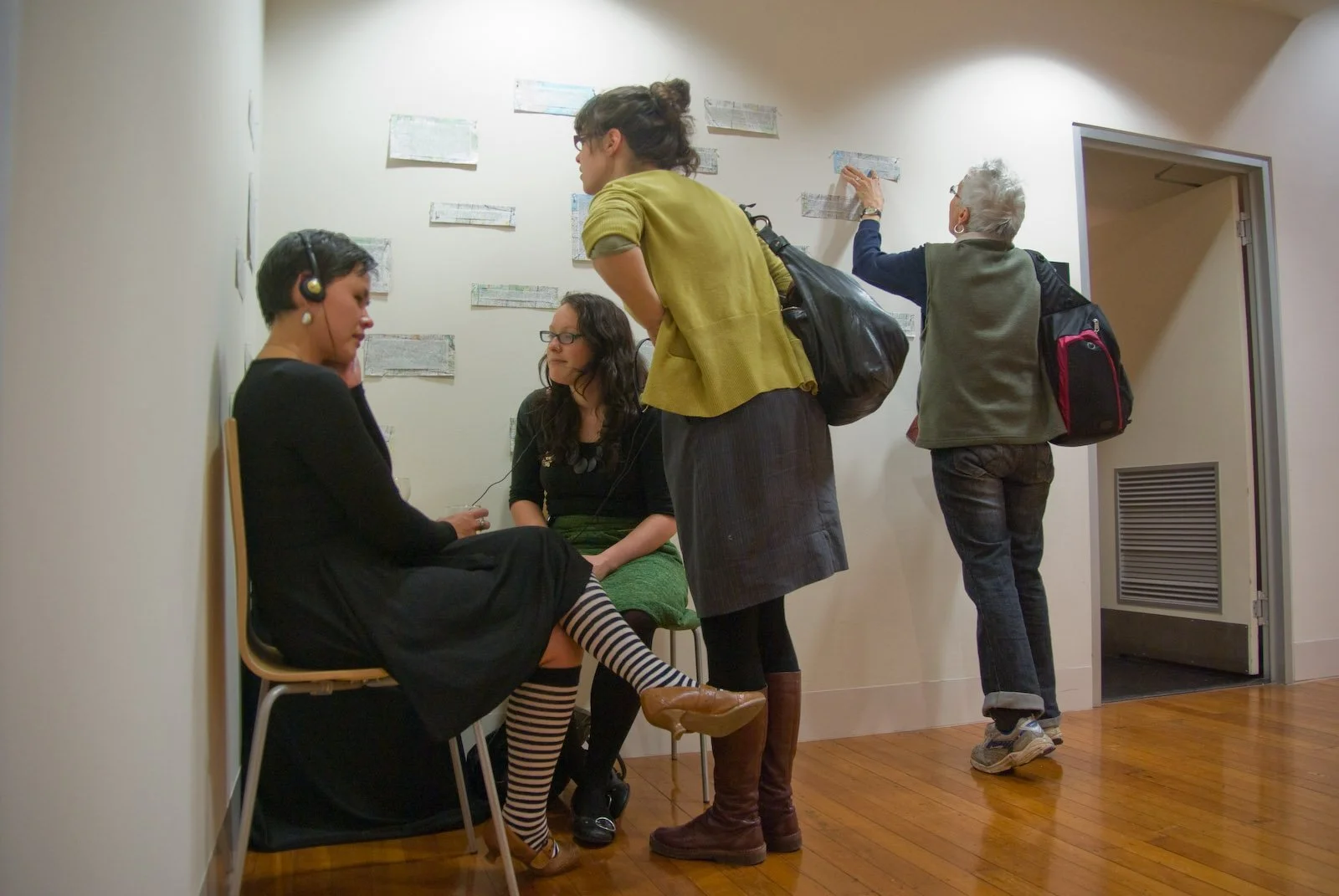
Mapping Our Futures builds on over 15 years of participatory mapping expertise developed by lead artist Dr Michael Chew. His practice centres on innovative mapping techniques and storytelling to engage diverse audiences in exploring shared futures. Key precedents include iMap, a large-scale community emotion map at Melbourne City Library that generated 400 submissions from 300 participants during Melbourne Fringe Festival, FutureLab, youth civic consultation workshops with City of Melbourne engaging 75 delegates with 90% positive feedback, and OurMelbourne2050, a pop-up community map for environmental hopes at Sustainable Living Festival. He also developed community mapping approaches during PhD research exploring creative methods to influence environmental engagement across communities in Australia, Bangladesh, and China.
Following initial conversations, three community/art grants were secured: Mount Alexander Shire Council in March 2025, Creative Victoria in July 2025, and Regional Arts Victoria in November 2025. In November, the Map of Futures Collective was assembled, comprising Michael Chew (Coordination), Wendy Hopkins (Community Engagement), Sarah Taylor (Community Engagement), Kirsty Moegerlein (Design), and Eunice Rigo (Digital Design). December 2025 focused on project design, with January 2026 dedicated to map and workshop development before the February 2026 launch.
Mapping Our Futures is important because it provides hope and motivation for positive personal and community action during times of social, economic, and environmental crises. It creates opportunities for residents to reflect on and share their future hopes whilst connecting with each other over their ideas and stories. The project offers creative, fun, and accessible ways of thinking about the future, in contrast with dominant political, cultural, or intellectual contexts. By transforming Castlemaine Library into an interactive community hub through large-scale mapping and targeted workshops, the project positions libraries as crucial neutral spaces for community dialogue and belonging, creating a replicable model for regional libraries across Victoria.